Understanding Sundowning Symptoms in Dementia
Sundowning refers to a group of symptoms and personality changes that occur in the late afternoon or evening, often affecting those with Alzheimer's and other types of dementia. Learn about the signs, symptoms, and management strategies for sundowning.
Greg Rowland
1/12/20262 min read


Anyone who has cared for someone with Alzheimer’s disease (AD) knows the patient will have good days and bad days. Sundowning is certainly a characteristic of a bad day for someone with AD.
Sundowning is a group of symptoms or personality changes that occur in the late afternoon or early evening and may last through the night. It may affect people with AD and other types of dementia. In general, sundowning causes agitation and aggression.
Sometimes called “sundowner’s syndrome”, the exact cause is unknown. Most researchers and physicians believe sundowning is related to disease progression and changes to the brain.
The personality changes that may occur or intensify include:
Getting upset, worried, or angry more easily
Confusion about time and place
Loss of interest in things
Feeling depressed
Imaging things that are not there
Pacing more than normal
Misunderstanding what they hear or see
Hitting their caregiver or others
Difficulty sleeping
Factors that may worsen sundowning personality changes include:
Fatigue or too little sleep
Spending a day in a place that is not familiar
Too much noise or confusion, or too many people in the room
Low lighting or excessive shadows
Being hungry or thirsty
Stress
Depression
Urinary tract infection (UTI)
Coping with someone experiencing sundowning and minimizing their agitation and aggression begins with remaining calm and listening to the person’s concern.
Additionally, the caregiver should try any of the following:
Avoid arguing
Reassure the person that they are safe
Reduce noise
Play soothing music
Distract the person with a snack
Go for a walk if the person is physically able
Suggest a simple task, like folding laundry
Most importantly, the caregiver must protect themselves if the person becomes aggressive. Keep a safe distance until the person calms down. It is always advisable to consult with a doctor if the aggression worsens, or it becomes frequent. Medication can be prescribed to manage the aggression.
I have recently started experiencing sundowning. I believe my personality changes are fairly mild. Furthermore, I am also learning the factors that trigger these personality changes. The two greatest triggers for me are too much noise and stress.
If you are a caregiver for a loved one who experiences sundowning, please share any tips or coping mechanisms you have learned.
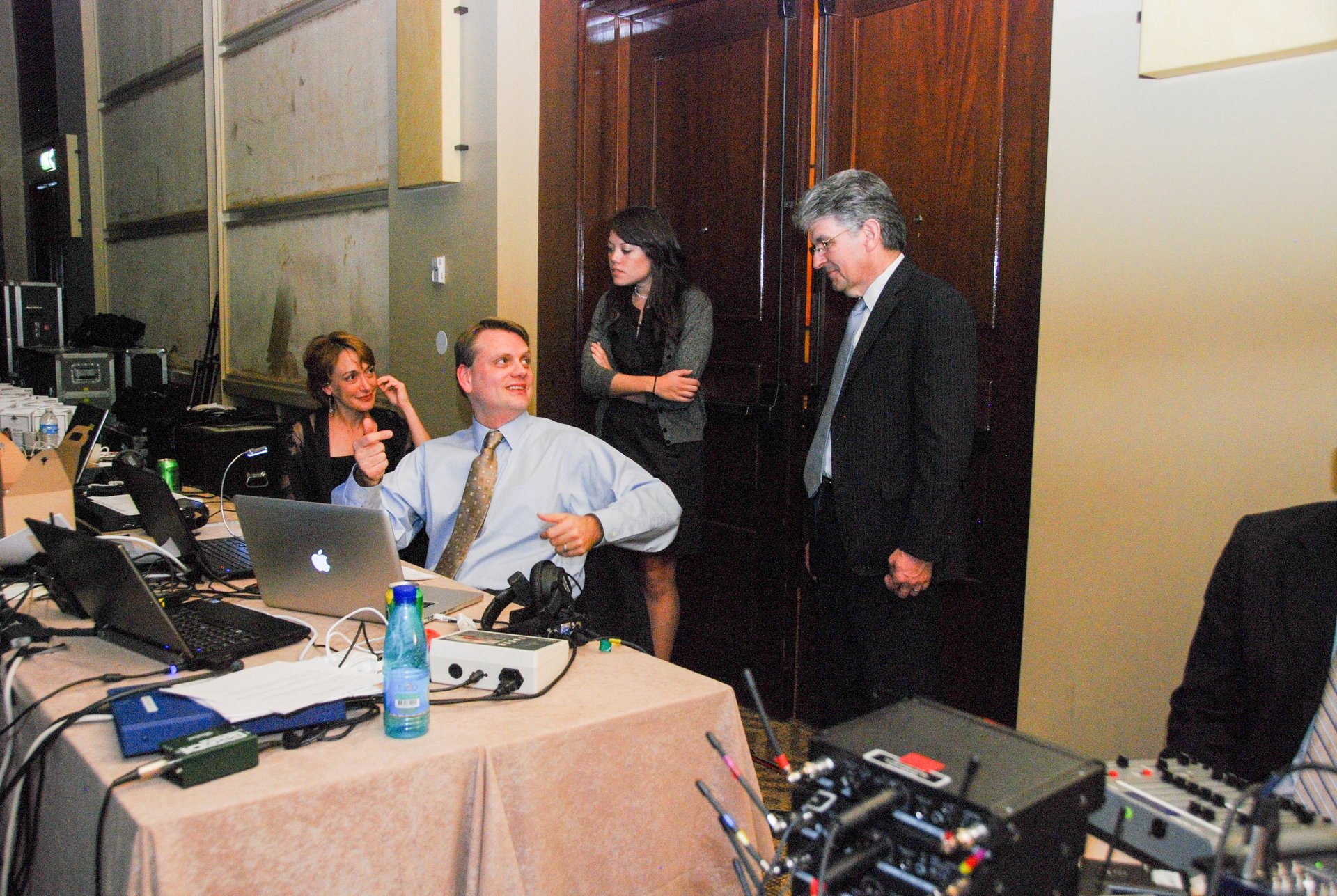
Finally, Go Fund Me recommends regular updates to fundraising campaigns. Linda and I produced an update video yesterday. I worked in broadcast television and corporate video in a variety of roles from age 20 to about 50. I am the guy standing up in the photo below. Short hair and wearing a suit!
The video production tools are so much simpler today. Using an online editor to create videos is fairly easy. I find the process relaxing and a great activity to exercise my brain.