My 16th Lecanemab Infusion Experience
On my 16th lecanemab infusion at Duke Specialty Infusion Center, I reflect on the routine process and how I manage daily activities despite progressing symptoms. Discover insights on living with lecanemab treatments.
Greg Rowland
5/5/20263 min read
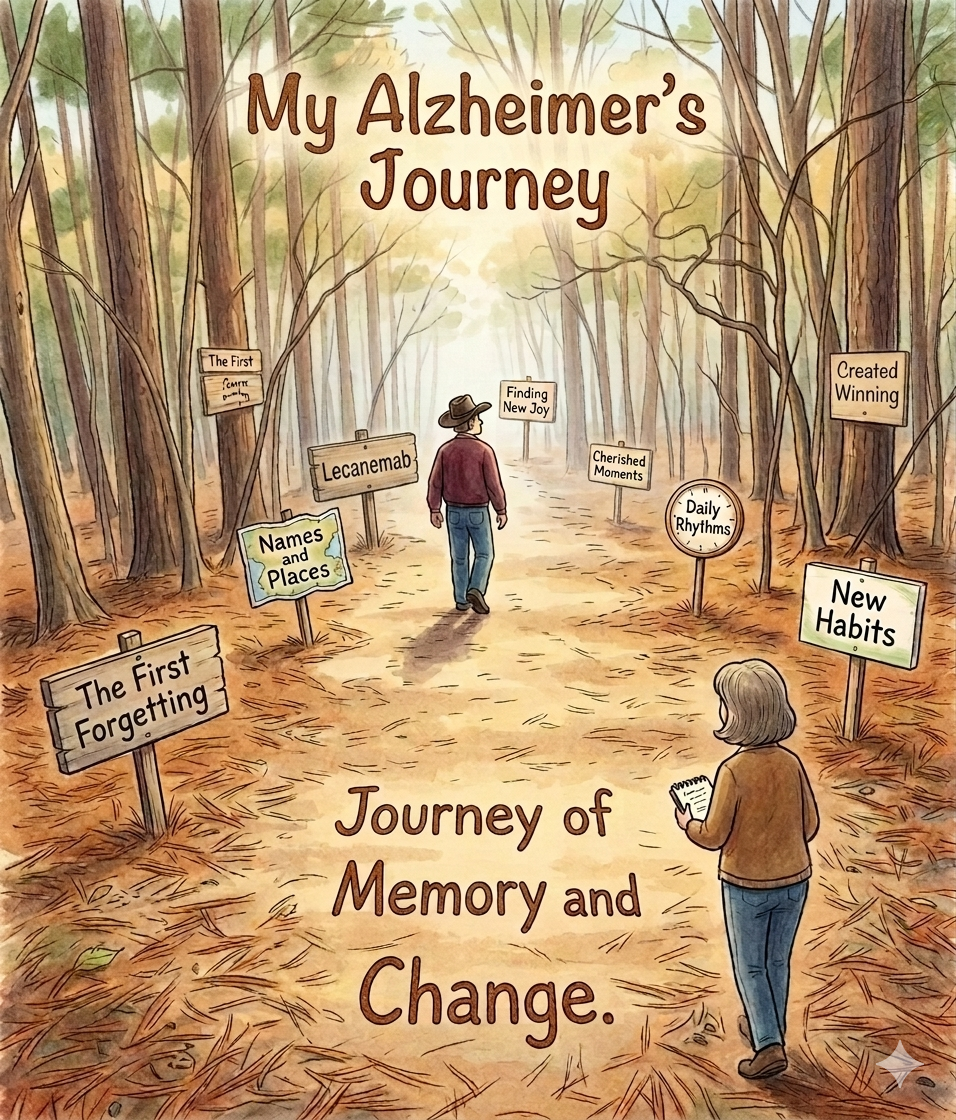
Every few weeks, I remind myself that the blog is titled, My Alzheimer’s Journey. It is easy for me to focus on emerging new treatments, clinical trials, caregiver tips, and Alzheimer’s disease history, and forget to write about my journey.
Next Tuesday, I will receive my 16th infusion of Lecanemab. In late March, I wrote about the infusion experience at the Duke Specialty Infusion Center. The process of receiving an infusion has become routine for me. There are familiar faces of other patients, smiles of caring nurses, the cheerful snack guy, and the warm blankets. I continue to be a strong supporter of Lecanemab. Based on recent data, I know Lecanemab slows the progression of Alzheimer’s disease. The question I have is, “what is next?”.
I am getting ahead of myself though.
While I have symptoms that are progressing, or worsening, I am still able to manage most daily activities. While Linda was at the rehab center for eleven nights, the cats and I survived with no major drama. There were a few cat skirmishes; but, we all ate well, the apartment stayed clean, and the litter boxes were scooped, I even cooked several meals (the cats and I love salmon!).
I have noticed an overall increase in confusion; especially, when I wake up in the morning. It is not uncommon for me to be unaware of where I am. The confusion is fleeting. Within a minute or so, I remember my surroundings and location.
My short-term memory continues to frustrate me. Making lists, using a calendar, and writing task reminders have become part of daily life. Conversations are challenging. It bothers me to not remember a name, a date, or an event while talking to someone. I am learning that the person I am talking to doesn’t care if I forget a detail. I pause, think for a few seconds, and boom the forgotten detail pops into my head.
One of my first Alzheimer’s symptoms doesn’t seem to be worsening; it is holding steady. I believe making poor decisions began several years ago. At the time, I just thought my age and exhaustion from working long hours resulted in some less than stellar decisions. These decisions were both large and small. They included hiring decisions, financial management, and even what I ate. One recurring poor decision I made was letting company trucks get very low on fuel (remind me to tell you later about a one ton diesel truck towing a large trailer with a backhoe running out of fuel on I-26 in the mountains of North Carolina.)
As I reflect on the poor decisions I made, I realize that I generally knew the decision I was making was not my best option. Yet, I went forward with the poor decision.
My writing has worsened in recent months. I often omit words from texts, emails, and long-form essays, blog posts, etc. I carefully proofread everything I write. Additionally, Linda reviews all the essays and blog posts. Fortunately, my ability to convey a thought, tell a story, or describe an event has not changed.
I have mild episodes of sundowning. Certain things trigger anxiety, agitation, and frustration. I do not experience sundowning if I avoid music or television that is even slightly loud, large crowds, and chaotic environments.
Stress triggers anxiety. The only stress in my life is financial. When our South Carolina home sells, I will be able to say goodbye to most of the financial stress. Making a mortgage payment and paying extremely high rent is a huge challenge.
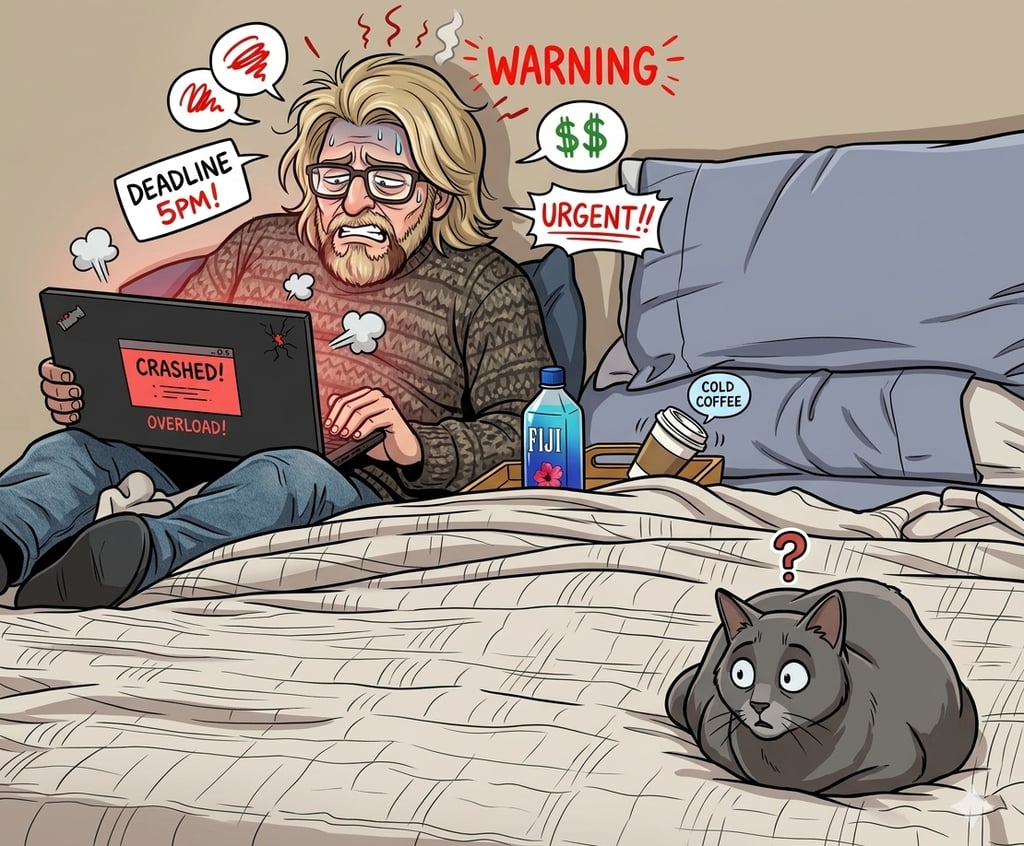
Reduce My Stress By Donating $10
The big deal for me is depression. Most of my adult life I have suffered from Major Depressive Disorder. Until recently, medication managed my depression. Today, it takes a combination of medication, diet, and lifestyle choices to avoid depressive episodes that leave me completely debilitated, unable to get out of bed.
Research, writing, and advocating for Alzheimer’s awareness are my happy activities. Of course, Linda and the cats are the bright spots of my life.
How am I doing in the fight against Alzheimer’s? Better than I expected at this point in time. For the most part, I credit the Lecanemab infusions for slowing down the Alzheimer’s progression and for giving me hope.