Pet Companionship for Alzheimer's Patients
Discover the numerous mental health and emotional benefits of pet companionship for Alzheimer's patients. Enhance their well-being and provide comfort through the joy of having a pet by their side.
Greg Rowland
4/1/20263 min read
My post content
Occasionally, I have written about the importance cats can be to people suffering from Alzheimer’s disease (AD). Today, I want to look at the scientific research that supports my emotional feelings that cats are beneficial to their health.
To be fair, most of the research includes dogs as well as cats. Linda and I are cat parents, so that is my experience.
A study published December 26, 2023 in JAMA found pet companionship offset the previously reported association of living alone and declining memory and spoken fluency. The study conducted by the School of Public Health, Sun Yat-sen University, Guangzhou, China had 7,945 participants age 50 years and older. In summary, this study found pet companionship resulted in slower rates of decline in verbal memory and verbal fluency among older adults living alone, but not among those living with other people. In other words, for the people living alone, their pet compensated for the perceived negative feelings of being alone.
Another study also published December 2023 in Preventive Medicine Reports determined that dog owners had a lower risk of dementia compared to non-dog owners. The study looked at data from more than 11,000 older adults over a 4-year period and adjusted for certain preexisting health factors. This study also examined if physical activity and social connection of dog owners contributed to the lower risk of dementia. The study found that dog owners who walked their dogs daily had a significantly lower risk of dementia than dog owners who did not walk their dog. The study determined that exercise was not the only reason for the lower risk of dementia. Social interactions also contributed to the lower risk.
In the May-June 2025 edition of Geriatric Nursing, an article reviewed a study conducted by two nurses in Turkey. The study was a “systematic review and meta-analysis” of previous studies to determine the impact of “animal-assisted rehabilitation interventions on symptom management in Alzheimer’s disease patients.” The results showed “significantly impacted physical outcomes, such as improving physical competence and independence in basic daily living activities, as well as psychological outcomes, including reducing depression and enhancing mini-mental state examination scores in Alzheimer’s patients.”
According to the Alzheimer’s Society in the United Kingdom, people with Alzheimer’s can benefit from pet companionship in these ways:
improve self-esteem and confidence
promote quality of life and encourage independence
source of love and laughter
provide a sense of purpose
In my research, I came across Husson Univeristy in Bangor, Maine USA. They offer a Bachelor of Science in Animal-Assisted Therapy. According to Husson’s website, “Animal-assisted therapy for dementia patients and Alzheimer’s patients provides a non-medical way to engage and support those who are struggling with memory loss. Whether it's through touch, movement or simply enjoying the presence of an animal, these sessions help patients feel calmer, more engaged and less isolated. Over time, consistent interaction with therapy animals can lead to measurable improvements in mood, as well as overall quality of life.”
Assisted Living Centers, skilled nursing homes, and hospitals are embracing the evidence that pets offer many benefits to their patients. An interesting organization I discovered is Pet Partners. Based in Washington State USA, they organize, train, and provide volunteer teams (and animals) to a variety of healthcare, workplace, and law enforcement organizations around the world. According to their website, “Humans and animals share a deep, innate connection, and we believe that through the human-animals bond we can improve the physical, social, and emotional lives of more people and communities.”
If you or your loved are unable to manage the responsibilities of pet ownership, there are robotic dogs and cats. This is a fascinating story from 7NEWS Australia. Tell me that is not the cutest puppy you have ever seen! The smiles on the people make it crystal clear that pets (even robotic ones) are beneficial in many ways. You can buy a robotic pet here.
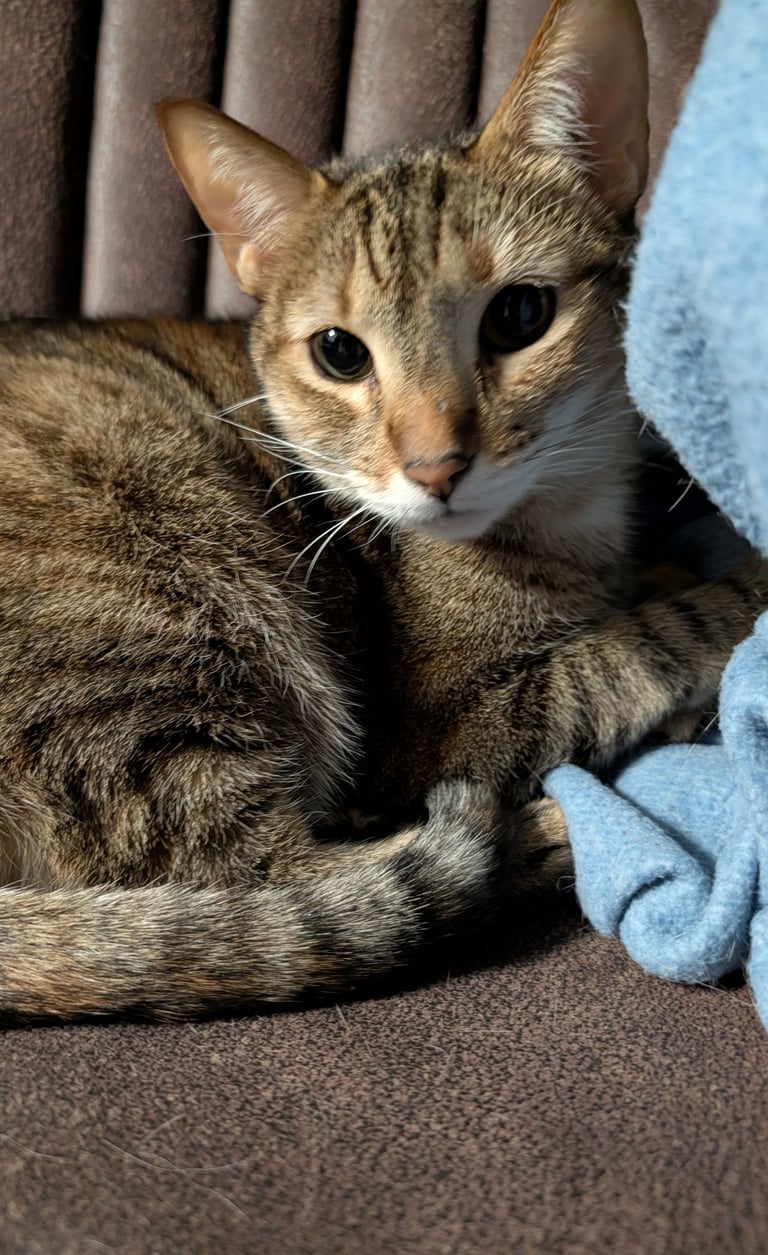
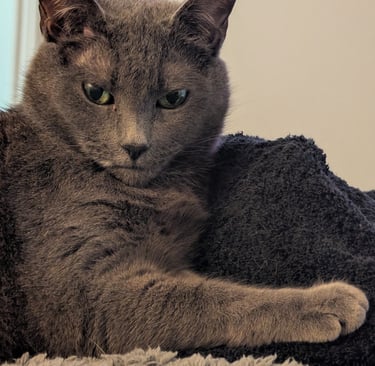
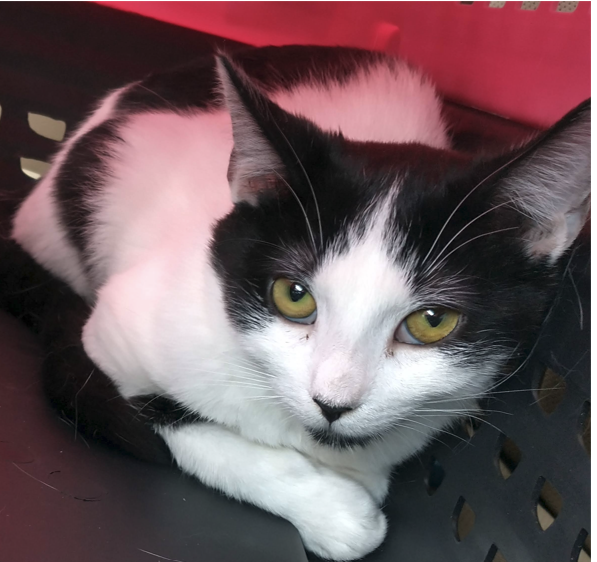
Our three cats (Bella, Lola, and Big Bit) are happy they have a meaningful purpose in life.