Understanding Mental Illness and Stigma Today
Over the past twenty-five years, society has made significant strides in understanding mental illness and depression. However, stigma surrounding dementia and Alzheimer's disease persists. It's essential to foster acceptance and awareness to combat this stigma and support those affected.
Greg Rowland
3/24/20262 min read
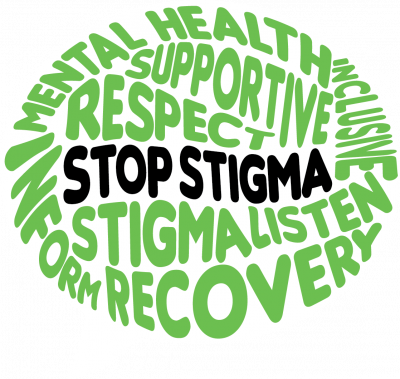
About twenty-five years ago, I was diagnosed with Major Depressive Disorder (MDD). My doctor told me that many men do not seek medical treatment for depression because they fear repercussions and a change in relationship with friends, family, and employers. As I began sharing my diagnosis, I certainly experienced a stigma. Many people equated my depression with laziness. Some people even said I was faking my depression. Others told me to just talk to a therapist. The idea that I was taking medication to treat depression was almost laughed at.
Fortunately, as a society we have come a long way in the past twenty-five years. Mental illness in general, and specifically depression, is much more understood and accepted today.
Sadly, an understanding and acceptance of dementia and Alzheimer’s disease (AD) is not prevalent in society. It seems that unless someone has direct experience with AD, most people lack a basic understanding of the disease.
In my experience, there are five common misconceptions of AD:
all memory loss is caused by AD
only older people get AD
people with AD are easily agitated and demonstrate aggression
people with AD can’t enjoy new activities and experiences
nothing can be done for AD
The reality is:
memory loss can be part of the natural aging process
early onset AD can start in people aged 40 to 50 (and even younger)
many people with AD are not aggressive (or it is controlled by medication)
people with AD often learn new hobbies, travel on new adventures, or become an Alzheimer’s awareness activist like me
there are treatments to slow the progression of AD and other new medication to manage cognitive decline
The problem with a stigma is that it spreads misinformation, it is hurtful to those suffering, and it holds us back as a progressive society.
If AD did not have a stigma, more people with AD would get the treatment they need, more investments would be made in AD therapies, and people with AD would have more opportunities to enjoy the years they have left.
How to fight the stigma?
education - children should be taught about mental illness starting at an early age
share our stories - if you have a parent with AD, share with your friends that experience, help people understand that while there is no cure for AD, people with AD can still enjoy life
media exposure - recognize people with AD who are active and productive, talk about emerging treatments, and explain why we need major investment in AD research
investment - more people with extreme wealth need to invest in AD research and governments around the world need to prioritize AD research
be a friend - connect with someone with AD through the Alzheimer’s Association, your place of worship, or through your friends; become a friend and show them even though they have AD their life matters
I started this blog to help people like me. When I was diagnosed with AD it impacted many people in my life. I did not fully understand AD. My wife and I certainly were not prepared for the financial repercussions. Some people looked puzzled when I told them I had early stage AD. I have even lost a few friends because they simply don’t know how to conduct themselves around me.
I plan to spend my ‘long goodbye’ helping others and removing the AD stigma by sharing my story. Please join me.